
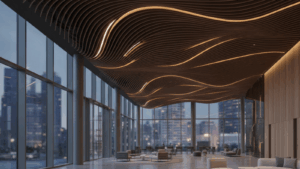
Modern iç mimari ve akustik tasarım, estetik unsurları işlevsellikle birleştiren çözümlere odaklanmaktadır. Bu bağlamda, eğrisel baffle asma tavan sistemi uygulamaları, geleneksel düz tavan algısının ötesine geçerek mekânlara dinamik ve sofistike bir dokunuş katmaktadır. Peki, eğrisel bir baffle tavan tasarımı, bir mekânın genel estetiğini ve atmosferini ne şekilde dönüştürebilir?
Eğrisel Baffle Tasarımları Mekânda Hangi Hissiyatı Oluşturur?
Eğrisel formlar, doğanın yumuşak hatlarını anımsatarak mekân içinde akıcı ve davetkâr bir atmosfer yaratma potansiyeline sahiptir. Düz, keskin hatların baskın olduğu tasarımlara kıyasla, eğrisel metal suspended ceiling sistemleri görsel bir dinginlik ve hareket algısı sunabilir.
- Akıcılık ve Devamlılık: Eğriler, mekân içinde kesintisiz bir hareket hissi yaratarak gözün bir noktadan diğerine yumuşakça kaymasını sağlayabilir.
- Derinlik Algısı: Farklı eğim ve yüksekliklerdeki baffle asma tavan elemanları, tavan düzleminde üç boyutlu bir doku ve derinlik algısı oluşturarak mekâna zenginlik katabilir.
- Yumuşak Geçişler: Mekânın farklı işlevsel alanları arasındaki geçişler, eğrisel baffle tavan detayları ile daha zarif ve doğal bir şekilde sağlanabilir.
- Mimari İlgi Odağı: Standart bir tavan yerine eğrisel bir baffle tavan kullanmak, tavanı basit bir yapısal elemandan çıkarıp, mekânın ana estetik ilgi odağı haline getirebilir.
- Doğal Formlarla Uyum: Özellikle ahşap görünümlü baffle tavan sistemi kullanıldığında, eğrisel formlar doğal materyalin sıcaklığıyla birleşerek organik ve huzurlu bir estetik yaratabilir.
Ahşap Baffle Kullanımı Estetik Katkıyı Nasıl Artırır?
Ahşap baffle veya ahşap görünümlü baffle tavan sistemi tercihi, eğrisel tasarımın estetik değerini önemli ölçüde yükseltebilir. Ahşabın doğal dokusu ve sıcaklığı, modern ve bazen soğuk algılanabilen metal veya alçıpan tavan sistemlerine göre daha samimi bir hava katabilir.
Eğrisel Formlar Işık ve Gölge Oyunlarına Nasıl İmkan Tanır?
Aydınlatmanın eğrisel baffle suspended ceiling elemanları üzerindeki etkisi, estetik açıdan çarpıcı sonuçlar doğurabilir. Işık kaynaklarının konumu ve açısı, eğimler ve girinti-çıkıntılar sayesinde dinamik gölgeler ve vurgular oluşturur.
Dinamik Metal Asma Tavan Sistemleri Mekâna Nasıl Bir Karakter Kazandırır?
Eğrisel formlar, genellikle modüler bir yapıya sahip olan metal asma tavan sistemlerine dahi dinamik bir karakter kazandırabilir. Metalin modern ve endüstriyel dokusu, eğrinin akıcılığı ile dengelenerek özgün bir estetik ortaya çıkar.
Baffle Tavan Tasarımında Eğrinin Akustik Performansla Estetik İlişkisi Nedir?
Baffle tavan sistemlerinin önemli işlevlerinden biri akustik düzenlemedir, ancak eğrisel yapının akustik faydaları estetik bir zenginlikle birleşir. Farklı açılarda konumlanan eğrisel yüzeyler, ses dalgalarını dağıtarak daha konforlu bir akustik ortam sağlarken, bu işlevsel çözüm aynı zamanda görsel olarak da etkileyicidir.
Eğrisel Baffle Asma Tavan Sistemi Mekânın Algılanan Yüksekliğini Değiştirir mi?
Doğru tasarlanmış eğrisel bir asma tavan sistemleri uygulaması, tavanın fiziksel yüksekliğini değiştirmese de görsel algıyı etkileyebilir. Yukarı doğru yükselen veya merkeze doğru toplanan eğriler, mekânın daha ferah veya daha samimi hissedilmesine katkıda bulunabilir.
Eğrisel Ahşap Baffle Tavan Nerelerde Tercih Edilebilir?
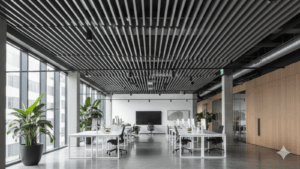
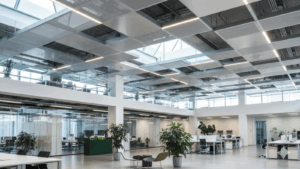
Ahşap baffle tavan sistemlerinin eğrisel versiyonları, özellikle görsel etki ve sıcak atmosferin istendiği alanlarda öne çıkabilir. Örneğin, büyük lobi alanları, modern ofis ortak kullanım alanları veya restoranlar bu tür bir tasarımı benimseyebilir.
NOT: Revize edilerek değiştirilen kısımlar kırmızı ile işaretlenmiştir.